Coordinating Naval Port Visit Support: Stakeholders, Timelines And Execution Risks

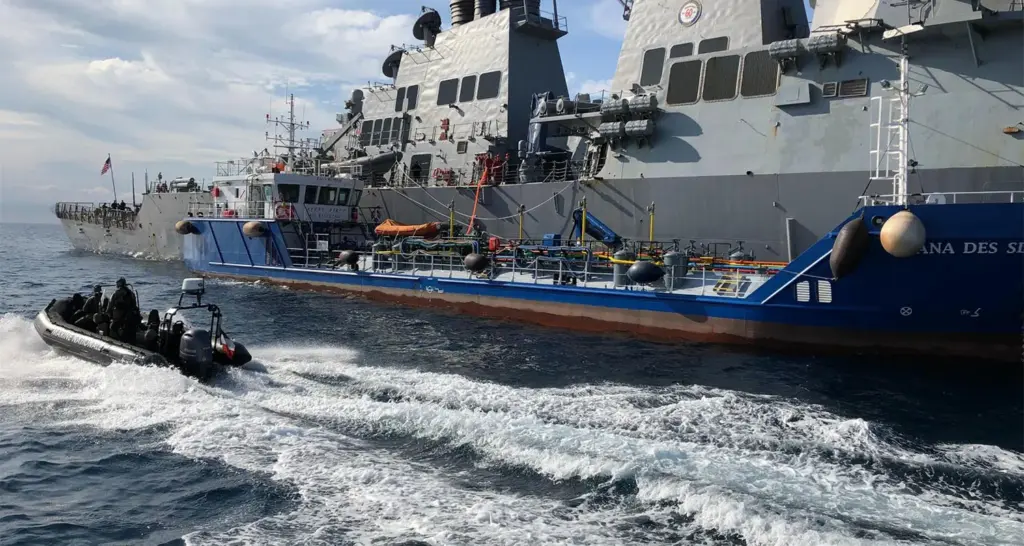
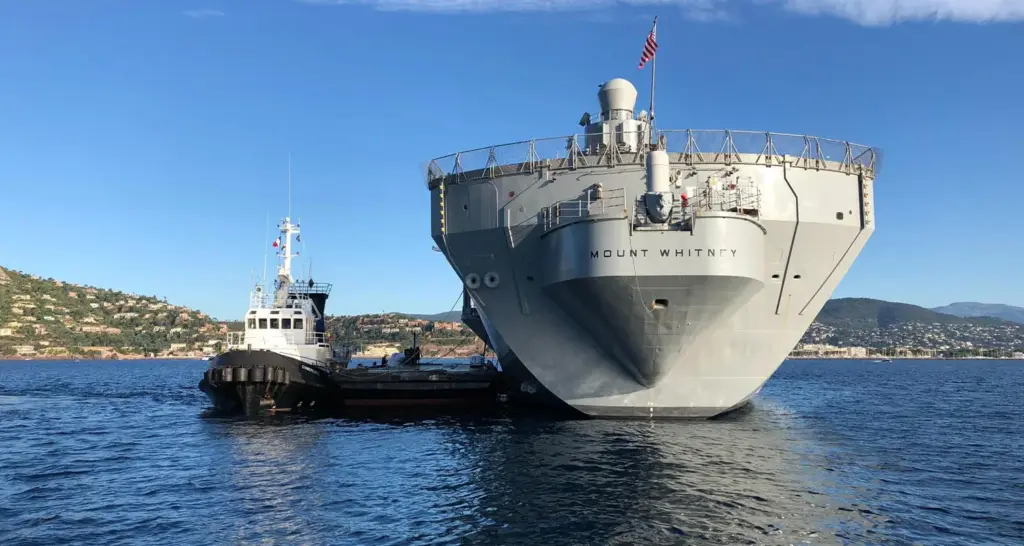
Naval vessel at port during Critical Port Call Services and Military Husbanding Services

Naval Port Visit Support is the coordinated planning and execution layer behind a military or naval port call. It brings together vessel requirements, authority processes, local delivery activity, timing controls, and security conditions so the visit can proceed without avoidable disruption.

In practice, the challenge is not simply arranging services. The challenge is making sure approvals, access, movements, supplies, and local coordination all happen in the right sequence. In defence environments, that directly affects compliance, readiness, and continuity.

What Naval Port Visit Support Means In Practice

Naval Port Visit Support covers more than a narrow Port Agency function. It includes the full coordination framework behind the vessel’s arrival, stay, and departure.

This is why the topic overlaps with Military Husbanding Services, Naval Husbanding Services, Ship Husbanding Services, Military Vessel Support Services, and broader Naval Logistics Support.

For a more detailed explanation of the scope, stakeholders and operational requirements behind this support model, see our article on Military Husbanding Services: Scope, Stakeholders and Operational Requirements.

In practical terms, the scope often includes:

  • Pre-arrival planning and requirement capture.
  • Authority submissions and local approvals.
  • Berth and movement coordination.
  • Pilotage, tug, and mooring arrangements
  • Ship Supply Services and delivery scheduling.
  • Customs, immigration, and health related handling.
  • Secure access for personnel, vehicles, and suppliers.
  • Local transport and service provider control.
  • Change management during the port call.

The key point is simple. Naval Port Visit Support is not just about finding local providers. It is about controlling and coordinating the sequence in which support reaches the vessel.

For a more service specific view of Military Husbanding Services, it helps to separate the support package itself from the wider coordination model that makes the port visit work.

Who Are The Main Stakeholders In A Naval Port Visit

A naval port visit usually involves several stakeholder groups at the same time. Each group controls part of the execution picture.

  • Vessel Command And Onboard Departments

The vessel defines operational requirements, timing constraints, and any changes that affect the call. This includes supply needs, movement timing, crew related requirements, and onboard priorities.

Without clear input from the vessel, the local support picture becomes unstable.

  • Husbanding Provider And Logistics Teams

The Husbanding Provider or local support partner usually sits at the centre of execution. This role may work alongside contracting teams, fleet logistics personnel, or mission support staff.

Their task is to convert requirements into workable local action.

  • Port And Harbour Authorities

Port control, harbour authorities, terminal operators, and marine service coordinators influence how the visit is sequenced in practice.

They affect berth access, vessel movement, operating windows, and local compliance conditions.

  • Customs, Immigration, Health And Security Authorities

These stakeholders control clearances, access rules, formal reporting, and security related conditions.

Even when services are ready, delays at this layer can affect delivery timing and onboard activity.

  • Marine Service Providers And Local Suppliers

Pilots, tug operators, mooring teams, transport providers, waste handlers, and local vendors all play operational roles during the visit.

A port call can only run smoothly if these parties are aligned to the same timeline.

  • Embassy And Host Nation Contacts

In some cases, embassy contacts, defence representatives, or host nation channels also matter.

They may support local coordination, clarify requirements, or help resolve issues that sit outside routine commercial handling.

How The Timeline Usually Works Before Arrival

A naval port visit is shaped well before the vessel reaches the berth. Good execution usually starts with early planning, not last-minute problem solving.

1. Requirement Capture

The first step is defining what the vessel needs.

This may include:

  • Stores and provisions, including fuel;
  • Water and waste handling;
  • Transport arrangements;
  • Marine services;
  • Access requests;
  • Local technical support;
  • Administrative or clearance related requirements.

If requirement capture is late or incomplete, the whole support chain becomes compressed.

2. Documentation And Clearances

Once requirements are known, the next step is formal preparation.

This often includes:

  • Pre-arrival submissions;
  • Port entry related documentation;
  • Customs and immigration information;
  • Health or sanitation related declarations;
  • Security and access paperwork;
  • Local authority notifications.

This stage matters because timing depends on approval, not assumption. The wider Maritime Single Window framework reflects how formal and structured this reporting environment has become.

3. Berth And Marine Service Planning

A port call also depends on the marine side being sequenced properly.

This includes:

  • Berth allocation;
  • Pilotage timing;
  • Tug arrangements;
  • Mooring support;
  • Vehicle and supplier access windows;
  • Quayside delivery planning.

This is where Global Port Agency Services and Port Husbanding And Agency Services have to connect with real port controls, not theoretical schedules.

4. Final Readiness Checks

Before arrival, the operating picture has to be checked one last time.

The main questions are straightforward:

  • Are all approvals in place?
  • Are the timings still valid?
  • Are suppliers aligned to the latest ETA?
  • Are access arrangements confirmed?
  • Are contingency measures ready if timings change?

If these checks are weak, the visit becomes harder to control once the vessel is alongside.

What Happens During The Port Call

Once the vessel arrives, the focus shifts from planning to live coordination.

At this stage, the main task is controlling activity across the ship, the port, and the local support chain at the same time.

This usually includes:

  • Managing deliveries to the vessel;
  • Controlling access for vehicles and personnel;
  • Handling documentation updates;
  • Adjusting support to revised timings;
  • Keeping marine services aligned;
  • Resolving issues without affecting the wider schedule.

This is where Naval Supply Chain Services and Ship Supply Services become operationally sensitive. A delivery that is late, blocked, or out of sequence can affect far more than one service line.

The point is not just to deliver support. The point is to deliver it through the right channel, at the right time, under the right controls.

Where Execution Risk Usually Appears

Execution risk in a naval port visit is usually caused by misalignment, not by one dramatic failure.

The most common risk areas are:

  • Late or incomplete requirement submission;
  • Incorrect or delayed documentation;
  • Sudden changes to ETA or ETD;
  • Berth or marine service disruption;
  • Customs or access delays;
  • Local supplier timing failures;
  • Security restrictions at the ship port interface;
  • Communication gaps between stakeholders.

These risks matter because they are connected. One delay can quickly affect several other activities.

For example, a customs delay can affect a delivery window. A berth change can affect supplier access. A timing change from the vessel can force the whole support sequence to be reworked.

That is why experienced Military Ship Husbanding and Naval Husbanding Services depend on control, not just availability.

Why Stakeholder Coordination Matters More Than Isolated Service Delivery

A naval port visit rarely fails because one service does not exist.

More often, problems appear because multiple dependent tasks are not coordinated tightly enough. A vehicle can arrive before access is cleared. Supplies can clear after the delivery window. Marine services can move and affect everything scheduled alongside.

This is why effective Military Husbanding Services are coordination led by nature.

The value is not only in sourcing local support. The value is in controlling interfaces between:

  • Vessel requirements;
  • Local authorities;
  • Marine services;
  • Security procedures;
  • Suppliers;
  • Contracting and logistics teams.

From an institutional perspective, this is the real test of execution. The visit is judged by whether the vessel received what it needed, when it needed it, in a controlled and compliant manner.

Why This Matters For Readiness, Compliance And Mission Continuity

Port support affects more than the vessel’s time alongside. It affects what happens next.

If supplies, services, clearances, or movement activity are delayed, the effect can carry forward into onward movement, operational schedules, and mission continuity.

This is why Military Vessel Support Services, Naval Logistics Support, and wider Global Logistics Solutions For Navies depend on local execution discipline as much as geographic reach.

It also explains why compliance matters at every stage. A port call sits inside a formal framework of reporting, access control, security conditions, and host nation procedures. Weak coordination increases operational exposure even when the required services technically exist.

From a broader defence perspective, local infrastructure, local authorities, and host nation systems remain central to sustainment. NATO’s approach to Logistics and Host Nation Support reflects that reality clearly.

In this environment, governance is not separate from execution. Accountability, reliability, and disciplined conduct are part of delivery itself, which is why those principles sit closely with Our Ethics And Mission.

FAQ

What Is Naval Port Visit Support?

Naval Port Visit Support is the planning and execution framework behind a military or naval port call. It covers timing, documentation, authority liaison, supply coordination, access control, and local delivery management.

Is Naval Port Visit Support The Same As Port Agency Services?

No. Port Agency Services may form part of the process, but Naval Port Visit Support is broader. It includes planning, approvals, compliance, security coordination, Ship Supply Services, and control of execution during the visit.

Who Usually Coordinates A Naval Port Visit?

Coordination usually involves the vessel, the Husbanding Provider, logistics or contracting teams, port and harbour authorities, customs and immigration, security stakeholders, and local suppliers.

Why Is Pre Arrival Planning So Important?

Because approvals, sourcing, access, and service sequencing all depend on time. If preparation is late, the visit window becomes compressed and risk rises quickly.

What Are The Main Execution Risks During A Port Call?

The main risks are late information, documentation problems, berth or movement disruption, access delays, supplier timing failures, security constraints, and communication gaps between stakeholders.

Why Do Experienced Naval Husbanding Services Matter?

Because the problem is rarely one isolated service. The real issue is whether multiple activities can be aligned under real port conditions without avoidable delay or compliance problems.

Conclusion

Naval Port Visit Support is a coordination problem before it becomes a service delivery task.

The real requirement is not simply to arrange support. It is to align vessel needs, authority processes, local providers, marine services, documentation, and access controls in the right sequence.

When that coordination is handled properly, the vessel can complete its port call with fewer delays, stronger compliance control, and better continuity into the next stage of operations.

Military Husbanding vs Port Agency Services: Operational Scope and Contracting Differences

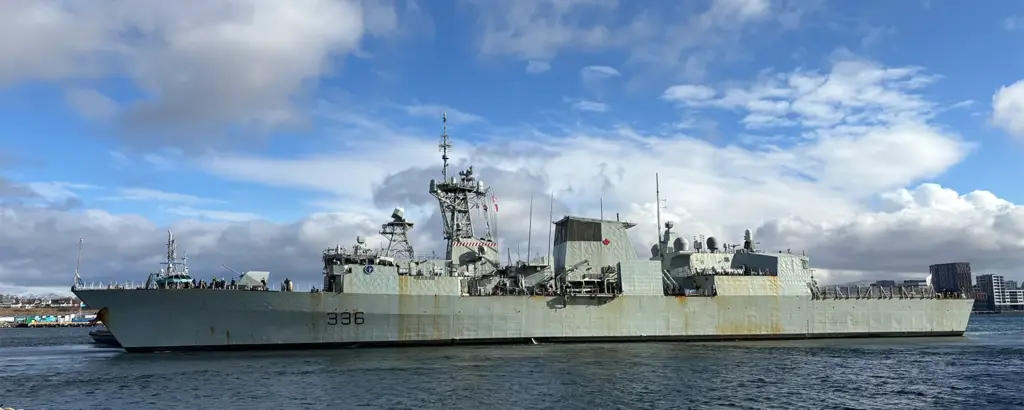
Naval vessel supported at port through Military Husbanding Services

Military Husbanding and Port Agency services are related, but they do not describe the same level of operational support. In defence logistics, Port Agency usually refers to the local representation and coordination function that helps a vessel enter, remain in and depart from port in line with local procedures. Military Husbanding, by contrast, usually refers to the broader support framework built around the port visit, especially where naval or military vessels require tighter coordination, wider service coverage and clearer operational control.

This distinction matters to procurement teams, naval planners and institutional buyers because the issue is not terminology alone. It is a contract scope. If the requirement only covers port formalities and local liaison, Port Agency may be sufficient. If the vessel also depends on coordinated supply activity, transport, service delivery, controlled local support and wider stakeholder management, a broader Military Husbanding model may be required.

In practical terms, Port Agencies local knowledge is an important part of a Military Husbanding arrangement, but it does not always cover the full operational requirement. That difference affects accountability, delivery structure and commercial expectations during the port call.

What Port Agency Services Cover

Port Agency services refer to the local representation and coordination work required to manage a vessel’s port call efficiently. Their main purpose is to help the vessel move through port procedures, authority requirements and service arrangements without avoidable delay. This overlap with husbandry activity is recognised in the IMO guidance on the role of the ship agent in port, which defines the ship agent as the party representing the principal in port and, if instructed, arranging berth, relevant port and husbandry services, crew requirements, and clearance with authorities.

  • Berth Coordination
  • Liaison with local Authorities
  • Pre Arrival and Port Documentation
  • Pilotage, Tugs and other Marine Services Coordination
  • Coordination of Local Service Requests
  • Disbursement and Post-Call Administration

In short, Port Agency is fundamentally a local coordination and representation function. It is commercially important and operationally necessary, but it is not always the same as full Military Husbanding. Where the vessel requires wider logistics support, tighter execution control or a broader network of managed local services, Port agency alone may not cover the full requirement.

What Military Husbanding Services Cover

Military Husbanding refers to the broader support framework arranged around a naval or military vessel’s port visit. Unlike Port Agency, which is mainly focused on local representation and port formalities, Military Husbanding usually covers a wider package of logistics support services and supplies linked directly to the ship’s operational requirement in port.

For a more detailed breakdown of the scope, stakeholders and operational requirements involved, see our article on Military Husbanding Services: Scope, Stakeholders and Operational Requirements.

U.S. Navy husbanding guidance describes it as contract-based support for ship port visits, with requirements tied to the vessel’s logistics request and delivered through defined service lines.  

For a service-level view of how this support is positioned in practice, see SCA Group’s Military Husbanding services.

  • All Logistics Support Services required for the Port Visit
  • All Ship Supply Services, Stores, and Essential Consumables
  • Solid and Liquid Waste Handling and Environmental Support 
  • Cargo Movement and Equipment Support 
  • Land Transport and Movement Coordination
  • Communications and Local Connectivity 
  • Force Protection and Controlled Local Support
  • Crew Welfare, Wellbeing and Health Requirements

In short, Military Husbanding is not simply another label for Port Agency. It usually represents a wider execution model built around military vessel support services, naval logistics support and coordinated local delivery during the port visit. Where the vessel depends on multiple services, tighter control and broader accountability, Military Husbanding reflects a materially larger operational scope than Port Agency alone. The U.S. Navy’s own husbanding contract examples reflect this wider support model: see U.S. Navy overview of husbanding service providers.  

Military Husbanding vs Port Agency Services: A Side By Side Comparison

The clearest way to distinguish Military Husbanding from Port Agency services is to compare their practical scope. IMO guidance defines the ship agent as the party representing the principal in port and, if instructed, arranging berth, port and husbandry services, documentation and authority clearance. U.S. Navy husbanding guidance, by contrast, defines husbanding as a contract for logistics support services and supplies associated with ship port visits. That is why the difference is best understood as a difference in scope, responsibility and contracting model, not just terminology.  


Comparison PointMilitary Husbanding Services / Naval Husbanding ServicesPort Agency Services / Global Port Agency Services
Core RoleBroader support model built around the vessel’s operational needs during the port visit.Local vessel representation and coordination within the port environment.
Primary FocusExecution of military vessel support services, local logistics support and controlled service delivery.Arrival, stay and departure formalities, authority liaison and port call administration.
Operational ScopeWider and more execution-heavy, often covering multiple support lines around the visit.Narrower and centred on coordination, representation, local process management and logistical support.
Typical Service RangeShip supply services, transport, waste handling, water supply, cargo movement, communications support and other visit-related logistics.Berth coordination, customs and immigration handling, documentation, pilotage, tugs, local authority communication and logistical support.
Stakeholder ComplexityUsually involves naval command, procurement teams, secure suppliers, port stakeholders and multiple operational dependencies.Usually focused on the principal, vessel master, port authorities, terminals and standard service providers.
Security SensitivityOften higher, especially where controlled access, force protection or mission-sensitive support is required.Usually lower unless the vessel call itself involves security restrictions.
Commercial StructureCommonly procured through a defined support contract or task-based husbanding arrangement.Commonly delivered under an agency appointment with port disbursement handling.
Accountability ModelBroader responsibility for coordinated delivery across several operational service areas.Accountability mainly tied to local representation, documentation flow and port coordination.
Use CaseBest suited to naval or defence port calls where the vessel needs more than standard local agency support.Best suited to port calls where local representation and administrative coordination are the main requirement.
Practical RelationshipMay include Port Agency as one component within a wider Military Husbanding arrangement.May support husbandry requests, but does not always represent full Military Husbanding scope.


In practical terms, Port Agency can sit inside a wider Military Husbanding requirement, but it does not automatically replace it. Where the vessel only needs local representation and port formalities, Port Agency may be sufficient. Where the visit depends on wider naval logistics support, managed supplier execution and broader accountability, Military Husbanding is the more accurate operational model.  

Contracting Differences And Commercial Scope

The contracting difference is one of the clearest distinctions between Port Agency and Military Husbanding. Port Agency is usually procured as a local representation and coordination service for the vessel call. Military Husbanding is more often procured as a broader support arrangement covering multiple logistics and service requirements around the visit.

  • Contract Form
    Port Agency is usually appointed through an agency arrangement. Military Husbanding is more often structured as a defined support contract or task-based requirement.
  • Scope Definition
    Port Agency focuses on representation, clearances, coordination and disbursement handling. Military Husbanding usually covers a wider package of operational support services linked to the vessel visit.
  • Commercial Coverage
    Port Agency fees generally cover the agreed agency function, with additional services handled separately. Military Husbanding is normally tied to a broader set of contracted support lines.
  • Oversight and Verification
    Port Agency depends on clear service scope and accurate financial handling. Military Husbanding usually involves tighter oversight of delivery, supporting records and service verification.
  • Accountability Model
    Port Agency is mainly accountable for local coordination and port-facing execution. Military Husbanding is usually accountable for the wider support outcome across several service areas.

In practical terms, Port Agency is usually bought as a representation service, while Military Husbanding is bought as a broader managed support model. That is the main commercial difference procurement teams need to understand.

When Port Agency Is Enough, And When Full Military Husbanding Is Required

  • Port Agency is usually enough when the vessel mainly requires berth coordination, authority clearance, documentation handling, pilotage, tug arrangements and standard local liaison.
  • A limited naval call may sit in the middle when the visit needs core Port Agency support with selected additional local services, but not a full multi line support package.
  • Full Military Husbanding is required when the vessel depends on broader military vessel support services such as transport, ship supply services, waste handling, water, cargo movement, communications support, controlled local delivery or tighter contract oversight.

Why The Distinction Matters For Readiness, Compliance And Cost Control

The distinction matters because Port Agency and Military Husbanding do not create the same operational outcome. The Federation of National Associations of Ship Brokers and Agents (FONASBA) provides guidance to help principals and agents define the normal Port Agency scope clearly and avoid disputes, while the U.S. Naval Supply Systems Command (NAVSUP) husbanding guidance reflects a more tightly controlled contract environment with performance monitoring and invoice verification. 

  • Readiness
    If the requirement is wider than port coordination alone, a narrow agency scope can leave critical support activities outside managed delivery. 
  • Compliance
    Port calls depend on correct clearance, documentation and local regulatory coordination, but defence support may also require stronger control of contracted services and verification procedures. 
  • Cost Control
    Poor scope definition increases the risk of additional charges, scope disputes and weaker invoice control. FONASBA specifically frames its normal agency services guidance as a way to avoid disputes later on.  
  • Accountability
    Port Agency usually centres accountability on local representation and coordination, while Military Husbanding usually places accountability on a broader support outcome across multiple service lines. This is an inference from the difference between the agency guidance and the husbanding contract framework.  
  • Procurement Clarity
    Institutional buyers need to know whether they are procuring a port-facing coordination service or a wider managed support model around the vessel visit.  

In defence logistics, this is ultimately a question of disciplined scope and dependable execution, which aligns with SCA Group’s emphasis on continuity, accuracy and flexibility in its ethics and mission

FAQ

What is the difference between Military Husbanding services and Port Agency services?

Port Agency services are mainly focused on local vessel representation, clearance, documentation and logistical coordination in port. Military Husbanding services usually cover a broader support model around the visit, including contracted logistics support services and supplies linked to the ship’s operational requirement.

Can a Military Husbanding agency also provide Port Agency services?

Yes. The overlap is real. IMO guidance states that the ship agent may, if instructed, arrange berth, relevant port and husbandry services, which means port agency and husbandry functions can sit together within the same operational arrangement.

Are Ship Husbanding services part of naval logistics support?

Yes. In defence practice, Husbanding is treated as a logistics support function tied to ship port visits. NAVSUP guidance describes Husbanding services as contract-based logistics support services and supplies associated with those visits.

When do military vessel support services need more than a local port agent?

A local port agent may be enough for routine coordination, clearance and port formalities. A broader Military Husbanding model is usually needed when the vessel also depends on managed transport, ship supply services, waste handling, cargo movement, communications support or tighter contract oversight during the call.

Conclusion

Military Husbanding and Port Agency Services are related, but they do not cover the same scope. Port Agency is mainly focused on local representation and port call coordination, however the Port Agents local knowledge in terms of suppliers and services is recognised as a vital role in support of Military Husbanding which usually covers a broader support model around the vessel visit. For procurement teams, that distinction matters because it affects scope, accountability, service control and the risk of operational gaps during execution.

Military Husbanding Services: Scope, Stakeholders and Operational Requirements

Naval vessel at sea supporting Military Husbanding Services and Defence Logistics Support

Military Husbanding services refer to the coordinated overall logistic support provided to naval and military vessels before, during, and after a port call. For businesses, procurement teams, and institutional stakeholders, they are not simply administrative port arrangements. They are part of a wider operational support function that helps maintain compliance, continuity, and readiness in controlled environments.

In practice, Military Husbanding may involve clearances, liaison with authorities, supply coordination, transport arrangements, and time critical stakeholder management. As outlined in SCA Group’s Military Husbanding services page, this support should be understood as an operational requirement within defence logistics rather than the simple provision of a routine port service.

What Naval Husbanding Services Cover in Practice

Pre arrival planning, documentation and clearances

Military Husbanding services begin well before the vessel enters port. The pre arrival phase is intended to ensure that the call proceeds in line with local regulations, operational requirements and timelines, and clearance procedures, reflecting the broader logistics support role that Husbanding services provide during naval port visits.

In practice, this stage commonly includes:

  • Advance notices to relevant port and control authorities.
  • Berthing requests and schedule coordination.
  • Customs and immigration coordination.
  • Authority clearances for planned activities.
  • Documentation handling and verification.

This phase is operationally significant because delays at the documentation stage can affect the entire port call. In defence related environments, documentation is not a routine formality. It is often directly linked to access, timing, security controls, and service readiness.

Port call coordination and local execution

Port husbanding and agency services move into active execution as the vessel approaches or comes alongside. At this stage, the focus shifts from preparation to coordinated delivery within the port environment.

Core activities may include:

  • Pilotage and towage arrangements.
  • Berth coordination.
  • Liaison with port authorities and local control bodies.
  • Time sensitive local arrangements.
  • Coordination with other services providers involved.
  • Schedule management across multiple service windows.

This stage depends on disciplined communication and reliable local coordination. A well managed port call requires each activity to align with vessel timelines, authority procedures, and operational priorities. Where multiple stakeholders are involved, even limited coordination failures can disrupt timing and port execution.

These coordination priorities are explored further in our article on Naval Port Visit Support for military and naval port calls.

Supply, technical and welfare support during the port call

Ship Husbanding Services also cover the practical support required while the vessel is in port. This support helps sustain operations, maintain continuity, and address vessel requirements within the approved call window.

Depending on the requirement, ship supply services may involve:

  • Fuel and bunkering coordination.
  • Fresh water and provisions.
  • Spare parts delivery.
  • Technical attendance.
  • Crew movement and welfare support.
  • Waste disposal and related port services.

These activities must be delivered in a controlled operational and logical sequence. The function of Husbanding is not simply to source local services. It is to coordinate them reliably, at the required time, and in line with operational, regulatory, and logistical requirements.

How Military Husbanding Differs from Standard Port Agency Support

Military Husbanding is more demanding than routine port agency support. It operates within a tighter framework of security, approvals, coordination, and accountability.

For a more detailed comparison of scope, accountability and contracting implications, see our article on Military Husbanding vs Port Agency Services.

Higher security and access requirements

Military Husbanding services operate under stricter security conditions. Access to vessels, personnel, schedules, and support activity may be restricted and subject to additional control measures.

Greater documentation sensitivity and approval layers

Military vessel support services also involve more sensitive documentation and more approval layers. Clearances, service requests, and personnel movements may require formal authorisation across several bodies before execution can proceed. In this context, documentation supports compliance, timing, and lawful service delivery.

More complex stakeholder coordination and operational accountability

Military Husbanding services require broader coordination than a routine commercial port call. Stakeholders may include vessel representatives, military command structures, port authorities, customs, immigration, security bodies, and specialist suppliers.

As a result, the role extends beyond arranging port services. It involves managing interdependent activities in a controlled manner that supports continuity, compliance, and operational readiness.

The Main Stakeholders Involved in a Military Husbanding Operation

Military Husbanding is a coordinated operational activity involving several parties with different responsibilities. It sits within the wider framework of naval logistics support and depends on alignment between operational, regulatory, commercial, and local delivery stakeholders.

Vessel representatives, naval command teams and mission planners

These stakeholders define the operational requirement and set the conditions under which the port call must be managed. Their role commonly includes:

  • Confirming schedules and operational priorities.
  • Defining access restrictions and service requirements.
  • Communicating mission related considerations.
  • Approving key movements, timings, and support arrangements.

Port authorities, customs, immigration and security bodies

These bodies control lawful access and execution within the port environment. Their involvement may include:

  • Port entry and berthing approvals.
  • Customs and immigration procedures.
  • Security or diplomatic clearance and access control.
  • Oversight of regulated port activity.

Husbanding agents, local suppliers and service providers

The naval husbanding agency coordinates local execution and acts as the operational link between all parties. This may involve:

  • Arranging services in line with the approved plan.
  • Managing local supplier communications.
  • Coordinating transport, fuel, provisions, and technical support.
  • Ensuring delivery remains aligned with timing and compliance requirements.

Prime contractors, procurement teams and government stakeholders

In some operations, Military Husbanding also involves commercial and institutional oversight. These stakeholders may be responsible for:

  • Contractual control and procurement governance.
  • Performance oversight and reporting.
  • Coordination with government or defence stakeholders.
  • Alignment with wider programme or mission requirements.

In summary, Military Husbanding is not a single supplier transaction. It is a multi party coordination function that depends on clear roles, disciplined communication, and reliable execution across a regulated operational environment, often supported by global port agency services.

Core Operational Requirements for Effective Husbanding Support

Effective husbanding support depends on disciplined execution across several operational areas. For businesses and institutional stakeholders, the issue is not simply whether services can be arranged, but whether they can be delivered reliably, compliantly, and within the required operational window.


Operational requirementWhy it matters
Security compliance and controlled access management.Ensures authorised movements, deliveries, and attendance within restricted environments.
Accuracy in communications, scheduling and documentation.Reduces delays, errors, and compliance failures during the port call.
Local supplier reliability and execution capability.Supports timely delivery of services in line with approved operational requirements.
Contingency planning in dynamic port environments.Maintains continuity when schedules, approvals, or port conditions change.


Security compliance and controlled access management

Security compliance is a core requirement in military vessel support services. Access to vessels, personnel, equipment, and service areas may be restricted and subject to formal control measures. Support activity must therefore be coordinated within an approved access framework and aligned, where relevant, with recognised operational standards and certifications.

Accuracy in communications, scheduling and documentation

Naval logistics support depends on accurate information flow. Service requests, timings, clearances, and documentation must be communicated clearly and updated promptly when conditions change. Even a minor error can affect the wider port call.

Local supplier reliability and execution capability

Naval supply chain services rely on dependable local execution. Fuel providers, transport operators, technical teams, and other service partners must be able to deliver on time and in line with the authorised requirement. Availability alone is not enough. Operational reliability is the real standard.

Contingency planning in dynamic port environments

Port conditions can change quickly. Delays, congestion, approval issues, or short notice amendments may all affect execution. For that reason, contingency planning is a practical requirement, not an optional safeguard.

In summary, effective Husbanding Support depends on control, accuracy, reliable local delivery, and the ability to adapt without losing operational continuity.

Common Operational Risks and Coordination Challenges

Military Husbanding Services operate in environments where timings, approvals, and local conditions can shift quickly. In practice, effective naval logistics support depends on recognising common coordination risks before they affect execution.


  1. Short notice changes to schedules and requirements
    Operational priorities, vessel movements, or service timings may change with limited notice. This can affect transport, supplier sequencing, access arrangements, and the overall port call plan.
  2. Delays caused by approvals, documentation or port congestion
    Execution may be delayed by incomplete paperwork, slow approvals, or restricted port availability. Even when services are ready and of the highest quality, the wider call can still be affected by procedural or environmental constraints.
  3. Service disruption risks across multiple local vendors
    Where several local suppliers are involved, one delay can affect other activities. Disruption in fuel, transport, technical attendance, or waste handling may place pressure on the full support schedule.
  4. Communication gaps between operational stakeholders
    Coordination problems often arise when stakeholders are not working from the same information. Misalignment between vessel representatives, authorities, suppliers, and coordinators can lead to delay, confusion, or compliance risk.

In summary, these challenges show why Husbanding requires active coordination, not passive administration.

What Businesses and Institutions Should Assess in a Husbanding Partner

Selecting a husbanding partner should be based on operational suitability rather than basic service availability. For organisations involved in military vessel support services, the key issue is whether the provider can deliver reliably within a controlled, regulated, and time sensitive environment.

Proven experience in sensitive and regulated operating environments

A capable husbanding partner should understand the practical demands of restricted access, formal clearances, and controlled delivery conditions. Experience in these environments reduces the risk of administrative error, coordination failure, and avoidable disruption during the port call.

Strength of local networks, suppliers and port relationships

The effectiveness of a naval husbanding agency depends heavily on local execution. Established relationships with suppliers, port authorities, and service providers can improve responsiveness, support continuity, and help ensure that required services are delivered within the approved operational window.

Documentation discipline and stakeholder management capability

Military vessel support services require accurate documentation, clear communication, and disciplined coordination across multiple parties. A suitable partner should be able to manage approvals, maintain information accuracy, and keep stakeholders aligned throughout the port call.

Responsiveness under time critical operational conditions

Port activity can change quickly. Delays, revised schedules, or short notice operational requirements may require immediate adjustment. In this context, global port agency services must be supported by the ability to respond quickly without losing control of compliance or execution quality. Contingency plans should be maintained for every kind of situation.

In summary, businesses and institutions should assess a husbanding partner on experience, local capability, administrative discipline, and responsiveness under operational pressure.

Why Military Husbanding Services Matter in the Wider Defence Logistics Chain

Military Husbanding services matter because they support operational continuity at a critical phase of the logistics chain. When a naval vessel enters port, execution depends on local coordination, controlled delivery, and the ability to keep multiple activities aligned without disruption. This is why Military Husbanding should be understood as part of wider naval logistics support, which NATO identifies as essential to sustaining operations and enabling forces to act effectively. This is even more sensitive as no military force worldwide is capable to autonomously sustain their vessels in all ports through their own logistics footprint. The externalisation of port support is therefore unavoidable and essential for the mission.

From a wider defence logistics perspective, effective Husbanding Support helps deliver:

  • Continuity of operations by ensuring essential port activity can proceed in line with the vessel’s operational schedule.
  • Mission readiness by reducing the risk of delays that may affect onward tasking or support requirements.
  • Reliability of port activity through structured coordination of services, clearances, and local execution.
  • Reduced friction between stakeholders by aligning vessel representatives, authorities, suppliers, and coordinators within one controlled framework.
  • Stronger execution in complex environments where timing, compliance, and operational control must be maintained simultaneously.

In practice, Military Husbanding services are not an isolated port function. They form part of wider naval logistics support and contribute to the dependable delivery of global logistics solutions for navies operating across varied and regulated environments, particularly where coordinated execution depends on an established global network across multiple ports and jurisdictions.

FAQ

Who are the key stakeholders in Military Husbanding Services?

Key stakeholders typically include vessel representatives, naval command teams, port authorities, customs and immigration bodies, security organisations, husbanding providers, other contracted providers, and local suppliers. Effective Husbanding depends on coordinating these parties within one controlled operational framework.

What is included in Ship supply services during a naval port call?

Ship supply services may include fuel, provisions, transport, repair works, customs support, material handling, crew support, and other locally delivered requirements needed to sustain the vessel during the call. In practice, the exact scope depends on the port, mission profile, and approved support requirement.

Why is naval logistics support important to operational readiness?

Naval logistics support matters because readiness depends on the availability of logistics resources, assured access, tight coordination, timeliness, and sustained support through the operation. At port-call level, that means the vessel receives what it needs without avoidable disruption to onward activity.

What operational requirements are most important in Military Husbanding Support?

The core requirements are security compliance, controlled access, accurate documentation, disciplined scheduling, reliable local execution, and contingency planning. These factors determine whether support can be delivered lawfully, safely, and on time in a regulated environment.

What coordination risks can affect a naval port call?

Common risks include short-notice changes, approval delays, incomplete documentation, port congestion, supplier underperformance, and communication gaps between stakeholders. Because port support is interdependent, one failure can affect the wider execution sequence.

Conclusion

Military Husbanding services are best understood as an operational coordination function within the wider framework of naval support. Their effectiveness depends on stakeholder alignment, disciplined execution, accurate documentation, and dependable local capability.

For businesses, procurement teams, and institutional stakeholders, Military Husbanding Services should therefore be viewed not as an isolated port activity, but as a practical component of operational readiness. In complex defence environments, the quality of Husbanding Support can directly influence continuity, compliance, and the reliability of port execution.