Standalone Food Supply vs Integrated Catering Support: What Changes Operationally?

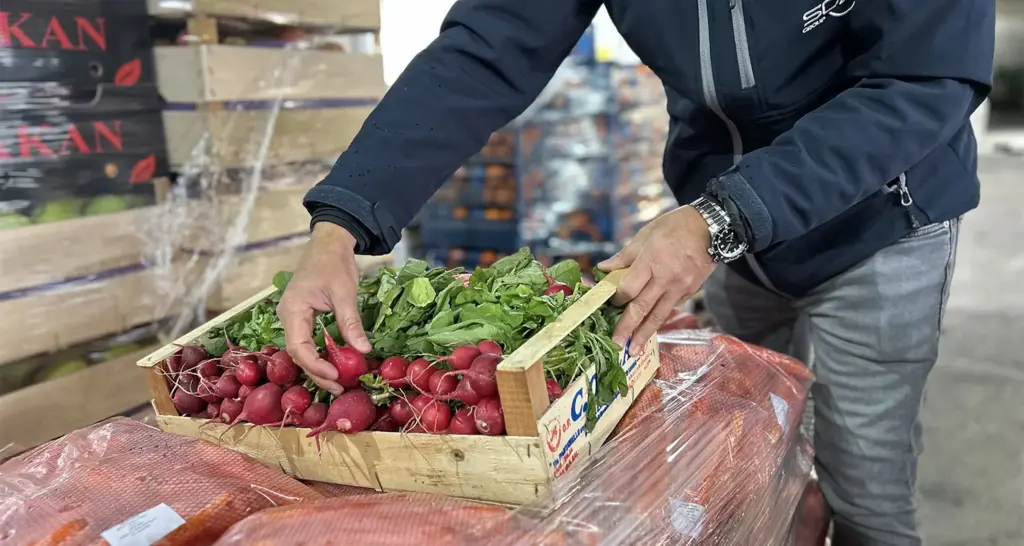
SCA Group Food Supply representative inspecting fresh produce, illustrating standalone sourcing versus Integrated Catering Support

Standalone Food Supply and Integrated Catering Support serve different operational purposes. Food Supply focuses on the sourcing, delivery and control of provisions. Integrated Catering Support extends the requirement into staffing, preparation, serving, hygiene control, documentation and daily service coordination.

For procurement teams, the distinction is not only about whether food is delivered or meals are served. It is about where operational responsibility begins, where it ends, and which party is accountable for execution at each stage.

In defence, maritime and remote operating environments, that distinction matters. A naval vessel, military base, remote camp or inland operating location may require reliable provisions only. In other cases, the requirement may include a fully managed catering operation that supports personnel welfare, continuity of service and operational readiness.

SCA Group provides Catering and Food Supply as standalone services and as part of wider Husbanding Services and Life Support Services. Understanding the difference between these models — and how they fit within the wider planning and operational requirements of defence food supply — helps procurement teams define the correct scope before mobilisation.

What is Standalone Food Supply?

Standalone Food Supply refers to the sourcing and delivery of food, water and related provisions to an agreed location, without transferring responsibility for full meal preparation or catering operations.

In this model, the supplier is normally responsible for the availability, quality, packing, documentation and delivery of provisions. The receiving party remains responsible for storage after receipt, kitchen management, preparation, serving and consumption control, unless otherwise specified in the contract.

Typical Food Supply Services may include:

  • Fresh food supply;
  • Frozen food supply;
  • Dry provisions;
  • Bottled water and beverages;
  • Dairy, bakery and pantry items;
  • Operational Ration Packs (ORPs) or packaged meals;
  • Delivery documentation;
  • Product traceability records;
  • Delivery coordination with receiving teams.

The operational value of standalone Food Supply is control. It gives the client access to organised supply channels while preserving internal responsibility for food handling and catering execution.

Both US and UK defence frameworks highlight the vital role of structured supplier coordination. For example, official U.S. Defense Logistics Agency (DLA) material on Food Services shows how military food support involves dining facility (DFAC) and galley support, prime vendor delivery, and account management. Similarly, the UK MoD’s Defence Food Services (DFS) delivery model relies on structured supply chains to transition seamlessly from deployed operational rations to fresh food provisioning at established bases and overseas stations.

What is Integrated Catering Support?

Integrated Catering Support refers to a managed food service model where the provider is responsible not only for supplying provisions but also for planning, preparing and serving meals under controlled operating conditions.

This model changes the nature of the requirement. The supplier is no longer only delivering products. The supplier becomes involved in daily service execution, staffing, hygiene control, menu planning, dietary coordination, kitchen operations and reporting.

Depending on the contract scope, Integrated Catering Support may include:

  • Food procurement and supply;
  • Menu planning;
  • Nutritional and dietary planning;
  • Kitchen staffing;
  • Meal preparation;
  • Meal serving;
  • Cleaning and sanitation interfaces;
  • Stock control;
  • Food safety records;
  • Waste coordination;
  • Service reporting;
  • Coordination with site command, station/base HQ, vessel management or facility teams.

This makes Integrated Catering Support more complex than standalone Food Supply. It requires stronger operational governance, clearer responsibility lines and more detailed performance control.

Standalone Food Supply vs Integrated Catering Support: Core Operational Differences

The main difference between standalone Food Supply and Integrated Catering Support is the level of operational responsibility transferred to the provider.


Operational AreaStandalone Food SupplyIntegrated Catering Support
Primary FunctionProvision of food and supplies.Managed meal delivery and catering execution.
Main OutputFood items delivered to the client.Meals prepared, served and controlled.
Responsibility After DeliveryUsually remains with the client.Often remains with the catering provider.
StaffingLimited or no on-site catering staff.Chefs, catering staff, stewards, supervisors and support personnel.
Storage ControlDelivery condition and handover control.Storage, rotation, kitchen use and stock control.
PreparationUsually handled by the client.Handled by the provider where included in the agreed scope.
ServingNot usually included.Included where full catering support is required, such as in messes, dining facilities or cookhouses.
DocumentationDelivery notes, certificates and traceability records.Delivery records, hygiene logs, menus, service reports and incident records.
CoordinationSupplier, transport provider and receiving party.Supplier, kitchen or galley team, site management, service points and client representatives.

The choice between the two models depends on the operational environment, personnel numbers, duration, available facilities, internal staffing capacity and required level of control.

How Scope and Responsibility Change

Standalone Food Supply has a narrower operational scope. The supplier is responsible for ensuring that the correct products arrive at the correct place, in the correct condition, with the required documentation.

The scope usually ends at delivery and handover, unless the contract includes additional storage, handling or distribution requirements.

Integrated Catering Support extends the scope into service delivery. Responsibility may include receiving supplies, storing them correctly, planning menus, preparing meals, serving personnel, maintaining hygiene records and coordinating service continuity.

This creates a wider responsibility chain:

  1. Requirement planning;
  2. Supplier sourcing;
  3. Procurement;
  4. Transport coordination;
  5. Receiving and inspection;
  6. Storage and stock rotation;
  7. Food preparation;
  8. Meal service;
  9. Hygiene control;
  10. Waste coordination;
  11. Reporting and documentation.

From an operational perspective, Integrated Catering Support requires more active management because the provider is involved in the daily rhythm of the site, base, vessel or camp.

How Staffing Requirements Change

Standalone Food Supply Services may not require a permanent catering team on site. The requirement can often be managed through procurement officers, logistics coordinators, warehouse staff, delivery drivers and the client’s receiving team.

The client may already have cooks, galley staff, military chefs, or internal catering personnel. In that case, standalone Food Supply gives those teams the provisions they need without changing the internal catering structure.

Integrated Catering Support requires a different staffing model. The provider may need to supply chefs, kitchen assistants, catering supervisors, storekeepers, cleaners and service staff. The size of the team depends on the number of personnel served, meal frequency, service hours, site layout and operational tempo.

In military and maritime environments, staffing also needs to reflect discipline, access control, security requirements, hygiene training and the ability to operate within structured command environments.

This is why Military Catering Services and Defence Catering Services cannot be treated as ordinary commercial catering. The hygiene, staffing and delivery-control demands of feeding personnel at scale set them apart from commercial provision.

The catering team must be able to work within operational constraints, not simply prepare meals. In UK contexts, this often requires working alongside military personnel under civil-military or Sponsored Reserve frameworks, ensuring seamless integration into the domestic or deployable operating footprint.

How Storage, Preparation and Serving Change

Storage is one of the clearest operational differences between the two models.

In standalone Food Supply, storage responsibility may transfer to the client once goods are received. The supplier must still ensure that products are delivered in appropriate condition, especially where chilled, frozen or perishable items are involved. However, day-to-day storage control usually sits with the receiving organisation.

In Integrated Catering Support, storage remains part of the live catering operation. The provider may need to manage stock rotation, temperature monitoring, separation of product categories, daily usage, expiry control and kitchen-side availability.

This affects several operational areas:

  • Cold Chain Management for chilled and frozen items;
  • Dry store control for long-life provisions;
  • Segregation of raw and cooked items;
  • Daily issue of ingredients to kitchen teams;
  • Alignment between menus and available stock;
  • Backup stock for disruption or late deliveries.

Preparation and serving also change the risk profile. Once the provider prepares and serves meals, the requirement moves into active Food Handling, hygiene supervision, kitchen discipline and meal service control.

This is where Integrated Catering Support becomes a managed operational service rather than a supply transaction.

How Documentation and Compliance Requirements Expand

Documentation is required in both models, but it becomes more detailed when the scope moves from standalone Food Supply to Integrated Catering Support.

For standalone Food Supply, documentation may include purchase orders, delivery notes, product specifications, certificates of conformity, traceability records, temperature records and handover confirmations.

For Integrated Catering Support, documentation can extend into:

  • Menu records;
  • Hygiene checks;
  • Cleaning logs;
  • Temperature monitoring;
  • Stock rotation records;
  • Allergen and dietary requirement records;
  • Incident reports;
  • Waste records;
  • Staff training records;
  • Inspection readiness files;
  • Service performance reports.

For UK defence contracts, operations must strictly align with JSP 456 (the Defence Catering Manual) alongside the UK Government’s Government Buying Standard for food and catering services. This ensures that standards such as dietary compliance, traceability, authenticity, and waste reduction are meticulously met. For US-facing operations, equivalent compliance is maintained with veterinary health certifications and military dining facility sanitation standards.

For defence and maritime environments, this type of documentation is not administrative formality. It supports inspection readiness, accountability, product assurance, continuity planning and risk control.

This is also where a clearly defined QSHE framework becomes important. Food-related operations need structured quality, safety, health and environmental controls, particularly when services are delivered in remote, high-pressure or multi-stakeholder environments.

How Coordination Changes Across Naval, Base and Remote Environments

Standalone Food Supply requires coordination between the procurement team, supplier network, transport providers, receiving personnel and the operational site. The main objective is to ensure that provisions arrive reliably and in usable condition.

Integrated Catering Support requires wider coordination because the provider is involved in daily service execution. The catering function must align with personnel schedules, work shifts, vessel routines, base requirements, access rules and operational changes.

Different environments create different requirements.

Naval Vessels

For Naval Vessels, storage space, galley capacity, delivery timing and port access are major constraints. Standalone Food Supply may focus on delivering provisions before departure or during port calls often referred to as ‘storing ship’. Integrated Catering Support may require coordination with vessel routines, galley operations, mess decks, and crew feeding requirements.

Military Bases

For Military Bases, catering operations may involve larger personnel numbers, fixed facilities, recurring meal schedules and formal service expectations. Integrated Catering Support may need to operate across cookhouses, messes, dining facilities (DFACs), storage areas and controlled access points.

Remote Camps and Inland Operating Locations

For Remote Camps and Inland Operating Locations, supply access, fuel availability, road conditions, refrigeration, water supply and waste removal may affect catering continuity. In such conditions, Food Supply Continuity becomes as important as daily meal preparation.

SCA’s Global Network is relevant in this context because multi-location support depends on supplier coordination, local access knowledge and the ability to manage logistics across different operational environments.

When Procurement Teams May Require Standalone Food Supply

Procurement teams may choose standalone Food Supply when the client already has the facilities, personnel and internal procedures needed to manage catering independently.

This model may be suitable when:

  • The receiving organisation has its own kitchen or galley team;
  • Only provisions are required;
  • Food preparation remains under client control;
  • The operating location has stable storage facilities;
  • Delivery is periodic rather than continuous;
  • Internal personnel manage serving and hygiene routines;
  • The contract requires supplier access without service integration.

Standalone Food Supply is often the better fit when the requirement is clear, contained and product-focused.

It allows the client to control its own catering process while relying on an external provider for sourcing, procurement, delivery and documentation.

When Integrated Catering Support Becomes More Appropriate

Integrated Catering Support becomes more appropriate when the requirement extends beyond provisions and into managed meal delivery.

This may apply when:

  • The client lacks sufficient catering staff;
  • The operation requires daily meal service;
  • Personnel numbers are high or variable;
  • Meals must follow defined nutritional requirements such as those outlined in JSP 456 or US military dietary guidelines;
  • Dietary or religious requirements must be managed;
  • The site operates under time pressure;
  • Food safety records must be maintained by the provider;
  • The client wants one accountable party for supply and catering execution.

In these cases, splitting responsibility between multiple parties can create gaps. Food may arrive correctly, but storage, preparation, serving or documentation may fail if responsibility is unclear.

Integrated Catering Support reduces that gap by connecting supply, kitchen operations and service delivery under one managed framework.

How Integration Affects Sustainability and Assurance

Integrated food operations also affect sustainability, assurance and procurement governance.

When the provider manages the full catering cycle, it may influence product selection, stock rotation, waste levels, energy use, delivery frequency and packaging control. These areas are not always visible in standalone Food Supply, where the supplier’s responsibility may end at delivery.

In more integrated contracts, procurement teams may need to assess:

  • Supplier approval processes;
  • Product origin and traceability;
  • Waste handling;
  • Refrigeration efficiency;
  • Packaging reduction;
  • Local sourcing where appropriate;
  • Inspection and audit records;
  • Alignment with environmental expectations.

This is where wider assurance pages such as Certifications, Climate Action and ESG become relevant to the operational discussion.

Food support is not only a procurement activity. It can affect environmental performance, personnel welfare, supply chain transparency and institutional accountability.

How the Requirement Should be Defined Before Procurement

Before choosing between standalone Food Supply and Integrated Catering Support, procurement teams should define the required operating model clearly.

The following questions help clarify scope:


Procurement QuestionWhy It Matters
Are provisions only required, or is meal service required?Defines whether the requirement is supply-based or service-based.
Who will manage storage after delivery?Determines responsibility for stock control and product condition.
Who will prepare and serve meals?Defines staffing and operational accountability.
Are dietary or nutritional requirements part of the scope?Affects menu planning and catering supervision aligned with JSP 456 or US military equivalents.
Who maintains hygiene and temperature records?Defines compliance responsibility.
Is waste handling included?Affects environmental and site coordination requirements.
Is the location fixed, mobile or remote?Changes delivery planning and continuity requirements essential for deployable food programmes.
Is the service short-term or recurring?Affects staffing, stock planning and supplier coordination.

A poorly defined requirement can create operational gaps. The supplier may assume the client is responsible for storage and serving, while the client may expect the provider to manage the full catering cycle.

Clear scope definition prevents this mismatch.

FAQ

What is the Difference Between Standalone Food Supply and Integrated Catering Support?

Standalone Food Supply focuses on sourcing and delivering food provisions. Integrated Catering Support includes food supply, staffing, meal preparation, serving, hygiene control and service documentation.

When is Standalone Food Supply More Suitable?

Standalone Food Supply is suitable when the client already has kitchen facilities, catering staff and internal procedures to manage preparation and serving.

When Does Integrated Catering Support Become Necessary?

Integrated Catering Support is needed when the client requires a managed catering operation, including menu planning, food preparation, meal service, hygiene control and daily coordination.

Why Does Documentation Increase with Integrated Catering Support?

Documentation increases because the provider is involved in food handling and service delivery. Records may include hygiene checks, temperature logs, menus, stock rotation and service reports. In a UK framework, this ensures strict compliance with JSP 456, while US operations align with military health and sanitation standards.

How Should Procurement Teams Choose Between Food Supply and Integrated Catering Support?

Procurement teams should define who is responsible for each stage. If only provisions are required, Food Supply may be enough. If full meal delivery is required, Integrated Catering Support is more appropriate.

Conclusion

Standalone Food Supply and Integrated Catering Support are closely related, but they are not the same operational model.

Standalone Food Supply focuses on sourcing, delivery, product control and traceability. It is suitable when the client has the internal capacity to manage storage, preparation, serving and hygiene routines.

Integrated Catering Support extends the requirement into managed service delivery. It adds responsibility for staffing, meal preparation, serving, hygiene control, documentation, waste coordination and daily operational management.

For procurement teams, the key question is not simply what food is required. The key question is who is responsible for each stage of the food support cycle.

When that responsibility is clearly defined, food support can be structured in a way that protects continuity, supports personnel welfare and aligns with the operational demands of naval vessels, military bases, remote camps and inland operating locations.
Catering and Food Supply in Defence Logistics: Scope, Planning and Operational Requirements

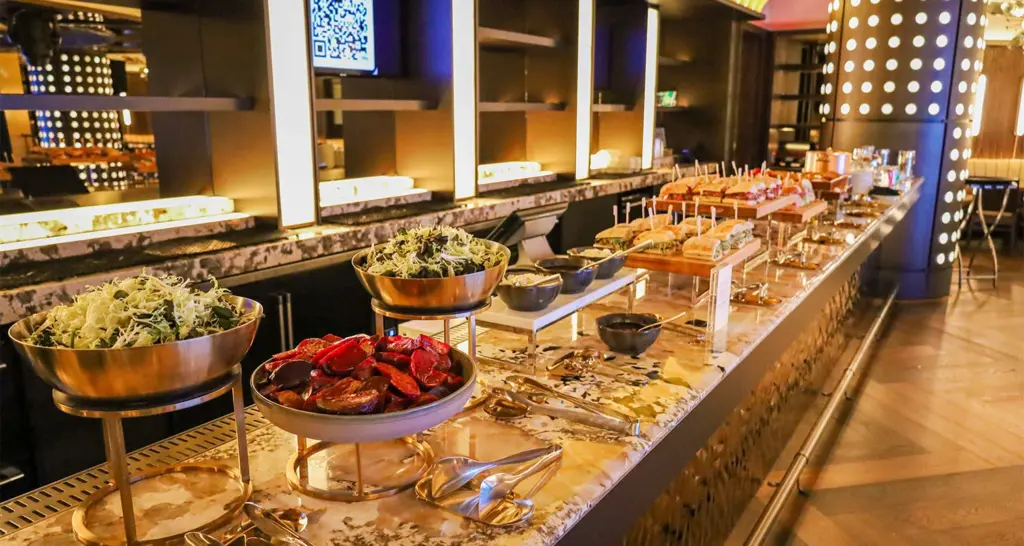
Catering And Food Supply in Defence Logistics for naval, military base and remote camp operations

Catering and Food Supply in Defence Logistics refers to the planning, procurement, handling, preparation and delivery of food required to sustain personnel in operational environments. 

It is not limited to meal preparation. It includes supplier coordination, food safety control, nutritional planning, delivery scheduling, stock management, documentation and continuity of supply.

In defence, active military exercises, and mission-support settings, food provision must operate reliably across naval vessels, military bases, remote camps, ports, airfields and inland operating locations. These environments can involve restricted access, changing personnel numbers, security controls, limited storage space, hygiene risks and compressed delivery timelines.

For procurement teams and logistics planners, Catering and Food Supply Services must therefore be treated as a controlled operational function. The objective is to ensure that personnel receive safe, suitable and timely food support without creating disruption to wider operational readiness or exercise schedules.

What Is Catering and Food Supply in Defence Logistics?

Catering snd Food Supply in Defence Logistics is the organised provision of food, catering support and related supply chain services for personnel operating in military, maritime and remote environments.

It includes the movement of food from approved suppliers to the point of consumption, supported by hygiene controls, quality checks, storage procedures, menu planning and delivery coordination.

In practice, Defence Catering Services may support:

  • Naval vessels during port calls or extended maritime operations.
  • Military bases requiring structured food supply and dining support.
  • Remote camps where local supply access is limited.
  • Inland operating locations with temporary or changing requirements.
  • Mission-support teams operating across multiple sites.
  • Personnel requiring planned meals, fresh food, rations or specialist dietary provision.

The operational requirement is not simply to provide food. It is to maintain food availability, safety, suitability and accountability across the full supply chain.

What Does Catering and Food Supply Include?

Catering and Food Supply Services cover the practical systems required to keep personnel fed safely and consistently in operational settings.

The scope can vary depending on the location, mission profile, available infrastructure and number of personnel involved. However, most Defence Food Supply operations involve several core components.


Service AreaOperational Purpose
Food ProcurementSourcing food from suitable suppliers based on quantity, specification and delivery requirements.
Supplier CoordinationManaging supplier availability, lead times, delivery windows and contingency options.
Menu PlanningAligning meals with operational duration, nutritional needs, cultural requirements and site conditions.
Food HandlingProtecting food from contamination during receipt, movement, storage and preparation.
Cold Chain ManagementMaintaining temperature-sensitive products within safe limits.
Food StorageManaging Days of Stock (DOS) targets, stock rotation, expiry dates, segregation and storage conditions.
Meal PreparationPreparing food safely within the available kitchen, galley, cookhouse, mess or field catering infrastructure.
Delivery CoordinationMoving food to naval vessels, camps, bases or inland sites within agreed timelines.
DocumentationRecording deliveries, quantities, acceptance, non-conformities and traceability information.


This scope shows why Catering and Food Supply requires logistics planning, not only catering knowledge — particularly the hygiene, nutrition and delivery control disciplines that scale catering operations depend on.

Food Procurement and Supplier Coordination

Food Procurement in defence environments requires reliable sourcing, clear specifications and controlled supplier coordination. The procurement team must understand the number of personnel, duration of support, meal frequency, delivery location, storage capacity and any dietary or cultural requirements.

Supplier Coordination is equally important. Food may need to be delivered to a port, base, camp, airfield or inland site where access is controlled or time limited. Suppliers must be able to meet timing, quality, quantity and documentation requirements.

Both US and UK defence frameworks highlight the importance of structured commercial supply integration. While the U.S. Defense Logistics Agency (DLA) utilizes Prime Vendor and Direct Vendor Delivery models to support dining facilities (DFACs) and galleys through its Food Services programme, the UK Ministry of Defence (MoD) similarly coordinates through Defence Food Services (DFS) to manage global supply chains, ensuring seamless transitions from deployed operational rations to fresh food provisioning.

From an operational perspective, supplier planning should consider:

  • Approved supplier availability;
  • Delivery lead times;
  • Local market reliability;
  • Food specifications;
  • Fresh, frozen and dry goods requirements;
  • Backup supply options;
  • Documentation and acceptance procedures;
  • Delivery constraints at the receiving location.

In Defence Logistics Support, procurement failure can quickly become a continuity issue. If food supply is delayed, incomplete or unsuitable, personnel support and operational readiness can be affected.

Food Handling, Storage and Cold Chain Control

Food Handling in defence environments must protect food safety from receipt to consumption. This includes safe unloading, inspection, segregation, temperature control, stock rotation and protection from contamination.

Cold Chain Management is particularly important for chilled and frozen goods. Temperature-sensitive items must remain within safe conditions during transport, temporary holding, storage and preparation. This requires suitable vehicles, storage equipment, monitoring procedures and escalation routes when non-conformities occur.

In deployable or remote environments such as those managed under overseas deployable programs cold-chain logistics must remain robust even when local commercial infrastructure is entirely absent.

Food Storage must also account for local conditions. Planners must establish strict Days of Stock (DOS) parameters to mitigate long, fragile supply chains, particularly where remote camps, naval vessels and temporary operating locations may have limited refrigeration capacity, restricted dry storage or exposure to heat, humidity, dust and transport disruption.

A controlled QSHE Framework supports these requirements by connecting food handling with quality, safety, health and environmental responsibilities. In operational settings, poor handling is not a minor catering issue. It can create health risks, reduce confidence in supply arrangements and disrupt personnel support.

Menu Planning and Nutritional Requirements

Menu Planning in Defence Catering Services must consider more than preference. It must support personnel performance, operational duration, working conditions and available preparation facilities.

Nutritional Requirements can vary depending on climate, workload, shift patterns, operational tempo and personnel profile. A remote camp, a naval vessel and an inland support location may all require different planning assumptions.

Menu Planning should account for:

  • Daily meal frequency;
  • Calorie and hydration needs;
  • Fresh food availability;
  • Shelf-stable food requirements;
  • Religious and cultural dietary requirements;
  • Allergens and special diets;
  • Field meals or packed meals where dining facilities are limited;
  • Waste reduction and stock rotation;
  • Kitchen, cookhouse or galley capacity.

In longer operations, menu fatigue can also become a practical issue. Repetition, poor quality or unsuitable food can affect morale and personnel welfare. For this reason, Defence Food Supply should be planned as part of personnel sustainment, not treated as a secondary support task.

Delivery Coordination Across Naval, Base, Camp and Inland Environments

Delivery Coordination is one of the most important elements of Catering and Food Supply in Defence Logistics. Food may need to move through ports, security checkpoints, base access controls, customs procedures, supplier networks and local transport routes before reaching the final point of use.

Each operating environment creates different constraints.


EnvironmentTypical Catering and Food Supply Considerations
Naval VesselsPort access, vessel schedules, galley and mess deck requirements, delivery windows and stores acceptance, such as coordination for ‘storing ship’.
Military BasesRecurring supply schedules, storage capacity, mess, cookhouse or dining facility needs and supplier access.
Remote CampsRoute reliability, limited cold storage, contingency stock and expeditionary field catering arrangements.
Inland Operating LocationsLocal permissions, transport constraints, security controls and flexible delivery planning.
AirfieldsAccess coordination, timing, personnel movement and temporary support requirements.


A reliable Global Network can support delivery planning by helping coordinate supply across multiple geographies, operating contexts and access conditions.

The key operational requirement is alignment. Procurement, suppliers, transport providers, site managers and receiving teams must work to the same schedule and delivery specification.

Why Food Supply Continuity Matters in Defence Operations

Food Supply Continuity is the ability to maintain safe and adequate food provision despite operational disruption, supplier limitations or changes in demand.

In defence environments, continuity matters because food is directly connected to personnel welfare and operational endurance. A disrupted food supply chain can affect morale, health, scheduling and mission support.

Common continuity risks include:

  • Supplier shortages;
  • Route disruption;
  • Delayed port access;
  • Incorrect quantities;
  • Cold chain failure;
  • Unplanned increases in personnel numbers;
  • Limited storage capacity;
  • Documentation gaps;
  • Supply chain lead-time delays;
  • Underestimating Days of Stock (DOS) requirements;
  • Food rejected on quality or safety grounds.

Continuity planning should therefore include alternative suppliers, contingency stock, flexible menus, emergency delivery options and clear escalation procedures.

For procurement teams, the question is not only whether food can be sourced. The question is whether Catering and Food Supply can continue under operational pressure.

Planning Requirements for Defence Catering Services

Defence Catering Services require structured planning before mobilisation. The planning process should define demand, supply routes, storage capacity, food safety controls, documentation requirements and operational responsibilities.

Key planning inputs include:


Planning InputWhy It Matters
Personnel NumbersDetermines quantity, meal frequency and stock levels.
Operational DurationAffects procurement cycles, storage and replenishment planning.
Location TypeDetermines access, transport, storage and preparation constraints.
Food SpecificationsEnsures suitable products are sourced and accepted.
Dietary RequirementsSupports safe and appropriate meal provision.
Storage CapacityDefines fresh, frozen, chilled and dry goods limits.
Delivery WindowsAligns supply with site access and operational schedules.
Hygiene ControlsReduces contamination and food safety risks.
DocumentationSupports traceability, acceptance and audit requirements.


This planning should be completed before delivery begins. In Defence Logistics Support, late clarification often leads to supplier pressure, incomplete deliveries, unsuitable substitutions or avoidable operational risk.

Demand Forecasting and Deployed Inventory Modelling

Demand forecasting and inventory modelling are the starting points for effective Food Supply Logistics. Catering teams must understand how many personnel require support, how long the support period will last, and whether demand is expected to change. Incorporating calculated lead times and Days of Stock (DOS) safety buffers is critical when supplying remote, austere locations.

Personnel numbers may fluctuate because of rotations, vessel schedules, temporary detachments, visiting teams or training changes. Catering and Food Supply planning should therefore include a realistic buffer, but not excessive surplus that creates waste or storage pressure.

Demand planning should define:

  • Number of personnel;
  • Meals per day;
  • Duration of support;
  • Target Days of Stock (DOS) per inventory category (fresh, dry, frozen);
  • Expected changes in headcount;
  • Fresh food replenishment cycle;
  • Dry goods reserve levels;
  • Emergency stock requirements;
  • Operational Ration Pack (ORP) or package/MRE requirements.

Accurate forecasting helps procurement teams avoid both shortages and waste. It also supports better supplier coordination and cost control.

Location, Access and Delivery Constraints

Location conditions can determine whether Catering and Food Supply succeeds or fails. A well-planned food order is still vulnerable if transport routes, access permissions or receiving arrangements are not properly coordinated.

Remote operating locations may have limited infrastructure, unstable supplier access or difficult road conditions. Naval deliveries may depend on port schedules, berth access and vessel readiness. Military bases may require security clearance, delivery booking and controlled movement within the site.

Operational planners should assess:

  • Route availability;
  • Supplier proximity;
  • Vehicle access;
  • Security controls;
  • Port or base entry requirements;
  • Storage conditions at destination;
  • Local climate;
  • Delivery timing restrictions;
  • Contingency options if access is delayed.

These constraints should be identified early and reflected in procurement schedules.

Dietary, Cultural and Mission-Specific Requirements

Dietary planning is a core part of Military Catering Services. Personnel may require meals that reflect medical, religious, cultural or operational needs.

This can include halal meals, vegetarian options, allergen-controlled meals, high-energy diets, packed meals, ready-to-eat options, or food suitable for limited field cooking facilities.

Exercise-specific requirements should also be considered. Personnel working long shifts, operating in extreme heat, travelling between sites or working in physically demanding roles may need adjusted meal planning and hydration support.

Dietary planning should be documented clearly so suppliers and catering teams understand what must be provided. Ambiguity at this stage can result in unsuitable substitutions or incomplete meal provision.

Food Hygiene Control and Compliance Requirements

Food Hygiene Control is essential in Defence Catering Services because unsafe food can directly affect personnel health and operational continuity.

Compliance frameworks must align with the specific military and national standards of the force being supported. For UK defence contracts, all operations must strictly comply with JSP 456 (the Defence Catering Manual) alongside the UK Food Standards Agency (FSA) regulations. For US military operations, food safety must adhere to MIL-STD 3006 (US Military Sanitation Standards for Food) and the Tri-Service Food Code, enforced through strict veterinary health inspections and approved supplier audits. Where operations fall under EU jurisdiction, food hygiene legislation sets equivalent baseline requirements for food business operators.

Food Safety Management should address:

  • Supplier approval;
  • Product inspection at receipt;
  • Temperature monitoring;
  • Clean storage conditions;
  • Cross-contamination prevention;
  • Allergen control;
  • Personal hygiene;
  • Pest control;
  • Waste management;
  • Cleaning procedures;
  • Traceability;
  • Corrective action where food is unsafe or unsuitable.

For SCA Group, Certifications provide a further trust signal by showing how operational standards are supported through recognised management systems and compliance frameworks.

Food hygiene is not only a regulatory concern. It is an operational risk control measure.

How Catering and Food Supply Supports Naval Vessels, Military Bases and Remote Camps

Catering and Food Supply supports personnel sustainment across different defence environments. The core requirement is consistent, but execution differs by location.

Naval Vessels

Naval Catering Services require coordination with vessel schedules, port access, delivery timing, stores handling and galley requirements. Supplies may include fresh produce, dry goods, chilled products, frozen food and specialist items requested by the vessel.

Delivery must often take place within a defined port call window. Delays, documentation gaps or supplier failures can affect the vessel’s readiness to depart. This environment-specific planning is explored further in Food Supply for Naval Vessels, Military Bases and Remote Operations.

Military Bases

Military Base Catering usually involves more structured supply cycles. Requirements may include recurring deliveries, dining facility (Mess/Cookhouse/DFAC) support, controlled storage and planned replenishment.

The main operational challenge is maintaining quality and continuity while managing changing personnel numbers, supplier performance and food safety requirements.

Remote Camps

Camp Catering Services can be more complex because infrastructure may be temporary or limited. Storage, power supply, water availability, waste management and route access can all affect service delivery.

Remote Camp Catering requires contingency planning, robust stock control and clear escalation routes when conditions change.

Inland Operating Locations

Inland Food Delivery may involve movement across road networks, local suppliers, checkpoints, permissions and temporary receiving points. The planning must be flexible enough to adapt to local constraints while maintaining food safety and supply continuity.

Operational Risks in Defence Food Supply

Defence Food Supply carries operational risks that must be managed before they affect personnel support. These risks are not limited to catering quality. They can affect health, readiness, compliance and mission continuity.

Supply Disruption

Supply disruption occurs when food is delayed, unavailable, incomplete or unsuitable for the required use. It can be caused by supplier failure, transport issues, customs delays, local shortages, route closures or sudden demand changes.

Mitigation requires alternative suppliers, contingency stock, realistic delivery windows and clear communication between procurement teams, logistics planners and receiving personnel.

Hygiene Failure

Hygiene failure can occur through poor temperature control, cross-contamination, inadequate cleaning, unsafe storage, pest activity or poor personal hygiene.

This risk must be managed through Food Safety Management procedures, staff training, inspection, documentation and corrective action.

Cold Chain Failure

Cold Chain Management failure can affect chilled and frozen products. If temperature-sensitive food is exposed to unsafe conditions, it may need to be rejected.

This makes temperature monitoring, suitable vehicles, receiving checks and storage readiness critical to food safety.

Documentation and Traceability Gaps

Documentation supports accountability. Delivery notes, product records, supplier information, expiry dates, temperature records and rejection reports help procurement and logistics teams verify what was delivered and whether it was accepted.

Traceability gaps make it harder to investigate quality issues, confirm compliance or manage a food safety incident.

Waste and Over-Supply

Over-supply can create storage pressure, waste, cost inefficiency and hygiene issues. Under-supply creates operational risk. Effective demand forecasting, realistic DOS modelling, and disciplined stock control are therefore central to Food Supply Logistics.

Sustainability and Responsible Food Supply Considerations

Sustainability in Catering and Food Supply should be treated as a practical procurement and operations consideration. It can include waste reduction, efficient transport planning, responsible sourcing, packaging control and better demand forecasting.

In defence and mission-support environments, sustainability must be balanced with operational reliability. Food still needs to arrive safely, on time and in the right condition.

Relevant considerations include:

  • Reducing avoidable food waste;
  • Planning accurate quantities;
  • Improving stock rotation;
  • Selecting appropriate packaging;
  • Managing waste from catering operations;
  • Reducing unnecessary transport movements;
  • Considering lower-impact procurement where operationally viable;
  • Aligning food supply practices with wider Climate Action objectives;
  • Connecting procurement and delivery practices with wider ESG Commitments.

Responsible Food Supply does not replace operational readiness. It supports more disciplined planning and better use of resources.

What Procurement Teams Should Assess Before Appointing a Catering and Food Supply Provider

Procurement teams should assess whether a provider can manage both catering requirements and logistics complexity. The lowest-cost supplier may not be suitable if they cannot manage delivery, hygiene, documentation and continuity requirements in operational environments.

A practical assessment should include:


Assessment AreaKey Question
Operational ExperienceHas the provider supported defence, maritime, base, camp, active exercises or remote environments?
Supplier NetworkCan the provider source food reliably across the required geography?
Food Safety ControlAre hygiene, storage and handling procedures clearly defined?
Delivery CapabilityCan the provider coordinate deliveries to ports, bases, camps and inland locations?
DocumentationCan the provider support traceability, acceptance and reporting requirements?
Contingency PlanningAre backup suppliers, alternative routes and clear DOS targets established?
Quality ControlAre products inspected, monitored and rejected when unsuitable?
SustainabilityDoes the provider manage waste, packaging and responsible procurement where feasible?


This assessment helps separate basic catering providers from operational Defence Catering Services providers.

FAQ

What Is Catering and Food Supply in Defence Logistics?

Catering and Food Supply in Defence Logistics is the planned provision of food, catering support and related supply chain services for personnel operating in military, maritime, base, camp and remote environments.

It includes Food Procurement, Supplier Coordination, Food Handling, Food Storage, Cold Chain Management, menu planning, Food Hygiene Control, delivery coordination and documentation. The purpose is to maintain safe, suitable and continuous food provision under operational and exercise conditions.

How is Defence Catering Different from Regular Catering?

Defence Catering Services are different from regular catering because they are planned around operational continuity, controlled access, food safety, logistics coordination and mission-support requirements.

Regular catering normally focuses on meal provision for a defined event or facility. Defence Catering Services must support personnel across naval vessels, military bases, remote camps and inland operating locations, often under restricted timelines, limited infrastructure and changing demand conditions.

What is Included in Military Catering Services?

Military Catering Services may include Food Procurement, menu planning, meal preparation, Food Handling, Food Storage, Cold Chain Management, supplier coordination, delivery scheduling, hygiene control and stock management.

The exact scope depends on the operating environment. Naval vessels, military bases, camps and remote locations may each require different supply arrangements, storage controls, delivery windows and documentation procedures.

Why is Food Supply Continuity Important in Defence Operations?

Food Supply Continuity is important because personnel welfare, operational endurance and mission readiness depend on reliable access to safe and suitable food.

In defence environments, disruption can be caused by supplier shortages, route delays, restricted access, cold chain failure, limited storage capacity or sudden changes in personnel numbers. Effective continuity planning reduces the risk of shortages, unsuitable substitutions and operational disruption.

What is Operational Catering in Defence Environments?

Operational Catering refers to catering support delivered in active, deployed, maritime, remote or training exercise environments where food provision must be aligned with operational requirements.

It may involve temporary facilities, restricted access, limited storage, mobile delivery, field meals, naval galley support or camp-based meal provision. The focus is not only food preparation, but the controlled delivery of Catering and Food Supply Services in conditions where reliability, hygiene and coordination are essential.

How are Naval Vessels Supplied with Food During Port Calls?

Naval vessels are supplied with food during port calls through coordinated planning between the vessel, procurement teams, local suppliers, port authorities and logistics support providers.

This may include fresh, chilled, frozen and dry food supplies delivered within a defined port call window. Delivery must account for vessel schedules, port access, stores handling, documentation, galley requirements and acceptance procedures before departure.

What Should Procurement Teams Look for in a Defence Catering Provider?

Procurement teams should assess whether a provider can manage both catering requirements and logistics complexity.

Key factors include experience in defence or maritime environments, supplier network strength, Food Safety Management procedures, delivery capability, traceability, contingency planning, Quality Control, documentation standards and the ability to support naval vessels, military bases, camps and remote operating locations.

Conclusion

Catering and Food Supply in Defence Logistics is a controlled operational service that supports personnel welfare, operational readiness and exercise continuity. It includes procurement, supplier coordination, Food Handling, Cold Chain Management, Food Safety Management, menu planning, delivery coordination and documentation.

In naval, military base, camp and inland operating contexts, the service must be planned around access constraints, hygiene risks, nutritional requirements, personnel numbers, and strict Days of Stock (DOS) parameters to mitigate long supply lines.

For procurement teams and logistics planners, the core requirement is clear: Catering and Food Supply must be safe, reliable, traceable and adaptable to operational conditions. When managed correctly, it becomes an essential part of Defence Logistics Support and wider personnel sustainment.