Aviation Support Services in Defence Logistics: Scope, Stakeholders and Operational Requirements

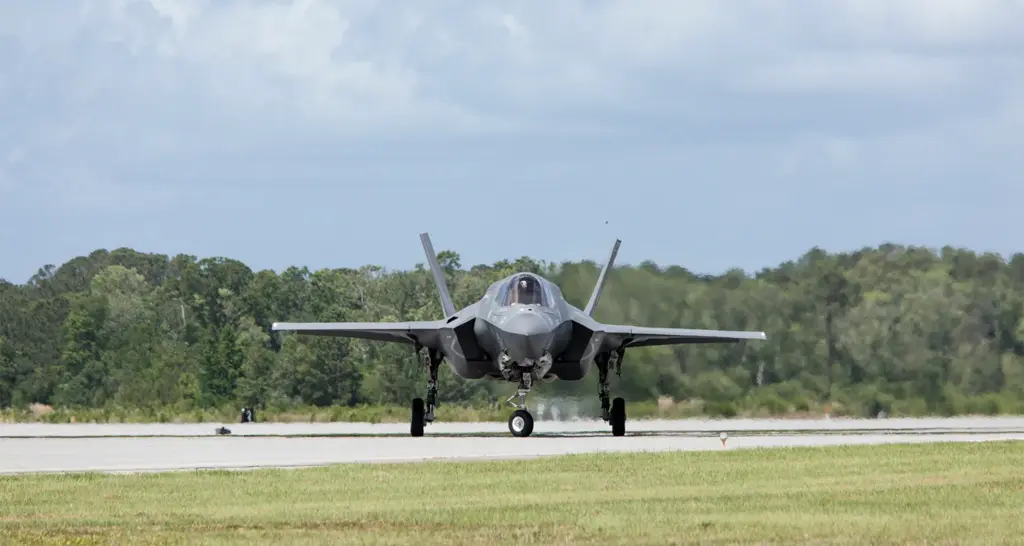
Military fighter aircraft on the flight line supported by Aviation Support Services in defence logistics

Aviation Support Services in defence logistics cover the coordinated ground, fuel, cargo, and personnel logistics functions needed by a military aircraft, its crew, and its cargo, after and/or before a movement between two locations. The category groups together six distinct operational functions: Ground Handling Services, Flight Line Services, passenger and crew handling, cargo coordination, customs support and Aviation Fuel coordination. Each function carries its own procedures, stakeholders and compliance requirements, and together they determine whether an aircraft movement proceeds on schedule or is delayed.

Institutional buyers, such as defence procurement teams, programme directors and prime-contractor supply leads, rarely face difficulty with a single function in isolation. The challenge is understanding how military aviation logistics functions fit together, who is accountable for each one, and what must be arranged before a movement can be confirmed. 

What Aviation Support Services Include

Aviation Support Services is not a single deliverable. It is a coordinated set of functions that, depending on the mission, may involve a mix of military, contracted and host-nation providers working to a shared schedule.

Ground Handling Services

Ground Handling Services cover the physical handling of an aircraft between arrival and departure: marshalling, towing and pushback, ramp parking and securing (including chocks and electrical grounding), ground power unit (GPU) operation, and the provision of Ground Support Equipment (GSE). Aircraft ground handling services in a defence setting are governed less by commercial airline manuals and more by military-specific references – the European Air Transport Command, for example, publishes a dedicated Ground Operations Manual setting standard marshalling, turnaround and pushback procedures for its participating member nations.

Flight Line Services

Flight Line Services sit alongside Ground Handling Services and are typically procured as a single package by international logistics organisations. NATO’s Support and Procurement Agency, for instance, contracts flight line support as part of its wider airfield services offering, covering aircraft movement on the ramp, supply support activity and coordination with airfield fire protection and safety functions.

Passenger and Crew Handling

This function covers movement of personnel to and from the aircraft, manifest management, and coordination with base access and security protocols. For military moves it typically covers both operational crew and transported troops, and must align with the manifest and clearance requirements set by the host or receiving authority. It may also include the transportation outside the airport and the related crew accommodation services.

Cargo Coordination

Cargo coordination covers the loading, unloading, documentation and onward movement of equipment and materiel. It includes weight and balance considerations, load prioritisation for mission-critical items, and, where dangerous goods are involved, classification and packing in line with applicable regulations.

Customs Support

Customs support governs the cross-border movement of the aircraft, its crew, passengers and cargo. This includes diplomatic and overflight clearance, Prior Permission Required (PPR) authorisation at military airfields, and manifest submission to the receiving customs authority ahead of arrival.

Aviation Fuel Coordination

Aviation Fuel coordination ensures military aircraft can refuel at scheduled, short-notice or hard-to-reach locations, including commercial airports where military fuel infrastructure is not available. In the United States this is formalised through the DLA Energy AIR Card® programme, which authorises procurement of commercial aviation fuel and specific non-fuel services at card-accepting merchants worldwide.

The table below summarises how these six functions divide by scope and primary stakeholder.


FunctionWhat It CoversPrimary Stakeholder
Ground Handling ServicesMarshalling, towing, pushback, ramp parking, GPU operation, GSE provisionGround handling contractor / Airfield operator
Flight Line ServicesRamp-based aircraft movement support, often bundled with ground handlingInternational logistics organisations (e.g. NSPA)
Passenger and Crew HandlingManifest management, disembarkation, base access coordinationOperator / Host-nation security
Cargo CoordinationLoading, unloading, weight and balance, dangerous goods documentationGround handling contractor / Cargo officer
Customs SupportDiplomatic and overflight clearance, PPR authorisation, manifest submissionHost-nation customs authority / Owning military service
Aviation Fuel CoordinationInto-plane refuelling, fuel programme account managementFuel programme administrator (e.g. DLA Energy)


SCA Group’s Aviation Support Services deliver this full scope across established procurement and contract frameworks, integrating each function into a single point of coordination.

Stakeholders and Operational Context

Aviation Support Services rarely sit with a single organisation. A typical movement can involve:

  • Government and defence procurement teams defining the requirement.
  • Host-nation civil aviation and customs authorities granting clearance.
  • Airfield or airport operators managing ramp access and GSE availability.
  • International logistics organisations, including the NATO Support and Procurement Agency and the European Air Transport Command, coordinating flight line support across participating nations.
  • Fuel programme administrators, such as DLA Energy, governing procurement and reconciliation of Aviation Fuel purchases.
  • Ground handling and logistics contractors executing the physical handling, cargo and passenger functions.
  • Compliance and dangerous goods officers, responsible for classification and documentation of hazardous cargo.

SCA Group supports these stakeholders through an established global network, coordinating military aviation logistics across scheduled, short-notice and hard-to-reach operating locations.

Planning and Coordination Requirements

Before an aircraft movement can be confirmed, several planning strands typically run in parallel:

  • Diplomatic and overflight clearance, obtained from the relevant state authority and, for military airfields, a Prior Permission Required (PPR) number from the owning military service headquarters – a process set out in detail by the U.S. Department of State for aircraft operating in United States airspace.
  • Manifest submission to customs authorities ahead of arrival, with timelines that vary by jurisdiction – in the United States, for example, the receiving authority requires a complete crew and passenger manifest at least 48 hours before arrival.
  • Fuel programme enrolment and account verification, where Aviation Fuel is to be procured through a programme such as AIR Card®.
  • Confirmation of Ground Support Equipment availability at the intended location, particularly for short-notice or remote airfields where GSE may need to be positioned in advance.
  • Coordination of passenger and cargo manifests with the receiving location’s security and access protocols.

Some regions have simplified elements of this process specifically for military transport aircraft. Within the EU, a technical arrangement among a group of member states has established common, harmonised procedures for overflights and landings, reducing the need to submit a separate diplomatic clearance request for every flight.

Execution Process

Once planning is confirmed, execution typically follows a consistent sequence:

  • Pre-arrival Coordination – Clearance, manifest and fuel arrangements confirmed with all parties.
  • Arrival and Ramp Handling – Marshalling, towing or pushback as required, and securing of the aircraft (chocks, electrical grounding).
  • Passenger and Crew Handling – Disembarkation, manifest reconciliation, and coordination with base access requirements.
  • Cargo Handling – Loading or unloading, with dangerous goods segregated and documented in line with applicable regulations.
  • Aviation Fuel Coordination – Into-plane refuelling arranged through the applicable programme or local supplier.
  • Customs and Documentation – Manifest and clearance paperwork finalised for departure or onward movement.
  • Departure Coordination – Pushback, taxi clearance and confirmation of onward flight plan.

Because each step depends on the one before it, a delay in any single function – a missing clearance, an unavailable GSE asset, an incomplete manifest – can affect the entire movement.

Risks, Dependencies and Compliance Considerations

Dangerous Goods Classification

Commercial and military dangerous goods rules are not identical. Commercial air shipments generally follow the IATA Dangerous Goods Regulations, built on ICAO’s Technical Instructions for the Safe Transport of Dangerous Goods by Air. Military air shipments, by contrast, are governed by dedicated military publications – in the United States, for example, AFMAN 24-604 and its sister service publications. Misapplying this distinction at the planning stage is a recurrent cause of delay.

Clearance and Customs Risk

Diplomatic clearance, overflight permission and PPR authorisation all carry lead times, and any change to timing, cargo or passenger manifest can require re-issuance. This risk is amplified for short-notice or contingency movements, where planning windows are compressed.

Fuel Programme Compliance

Aviation Fuel procurement through programmes such as AIR Card® is subject to specific authorisation and reconciliation requirements. A 2021 US Department of Defense Inspector General audit found that programme officials and card users had not consistently complied with applicable regulations, underlining the value of disciplined account management.

Multi-Stakeholder Dependency

Because Aviation Support Services span host-nation authorities, international logistics organisations and contracted providers, operational risk is distributed across organisations that do not report to a single command structure. Coordination frameworks, and clearly assigned points of contact, reduce this risk materially.

These considerations sit within SCA Group’s wider QSHE framework, which governs operational, safety and compliance standards across all Service areas, supported by independent certifications.

Strategic Importance

Aviation Support Services underpin the broader concept of mission readiness: an aircraft cannot fulfil an operational or exercise requirement if any single function, such as clearance, fuel, ground handling, cargo, is unresolved. For defence and government aviation programmes operating across multiple theatres, the ability to coordinate these functions consistently, including at short-notice or hard-to-reach locations, is a direct contributor to reliable military aviation logistics support.

Increasingly, this operational reliability is assessed alongside sustainability and governance criteria. Ground handling and fuel operations carry a measurable environmental footprint, and SCA Group’s climate action commitments and wider ESG framework set out how these considerations are managed across its Service areas, including Aviation Support.

FAQ

What are Aviation Support Services in Defence Logistics?

Aviation Support Services refer to the coordinated ground, fuel, cargo, customs and personnel functions required to move military aircraft safely and on schedule. This includes Ground Handling Services, Flight Line Services, passenger and crew handling, cargo coordination, customs support and Aviation Fuel coordination.

What is the Difference Between Ground Handling Services and Flight Line Services?

Ground Handling Services cover the physical handling of an aircraft on the ground, including marshalling, towing, pushback and GSE provision. Flight Line Services describe the broader package of ramp-based support, often including ground handling functions, typically procured together by international logistics organisations.

Who is Responsible for Customs Support During Military Aircraft Movements?

Responsibility is shared between the host-nation customs authority, the owning military service headquarters (for PPR authorisation at military airfields), and the operator or contractor managing manifest submission and documentation.

How is Aviation Fuel Coordinated for Military Aircraft?

Aviation Fuel is coordinated through military fuel infrastructure where available, or through commercial procurement programmes - such as the US DLA Energy AIR Card® - at locations away from home station.

Can Aviation Support Services be Delivered at Short-Notice or Remote Locations?

Yes, though it requires additional planning: Confirming GSE availability, verifying fuel programme access, and securing clearance and manifest approval within compressed timelines.

Conclusion

Aviation Support Services bring together six interdependent functions, each governed by its own stakeholders, timelines and compliance requirements. What connects them is sequence: no function operates in isolation, and a gap in anyone – an outstanding clearance, an unavailable fuel account, an incomplete manifest – propagates through the whole movement. Effective military aviation support therefore depends on treating these functions as one coordinated system rather than six separate purchases, which is what allows institutional buyers to define requirements accurately and reduce operational risk.
Military Husbanding Services: Scope, Stakeholders and Operational Requirements

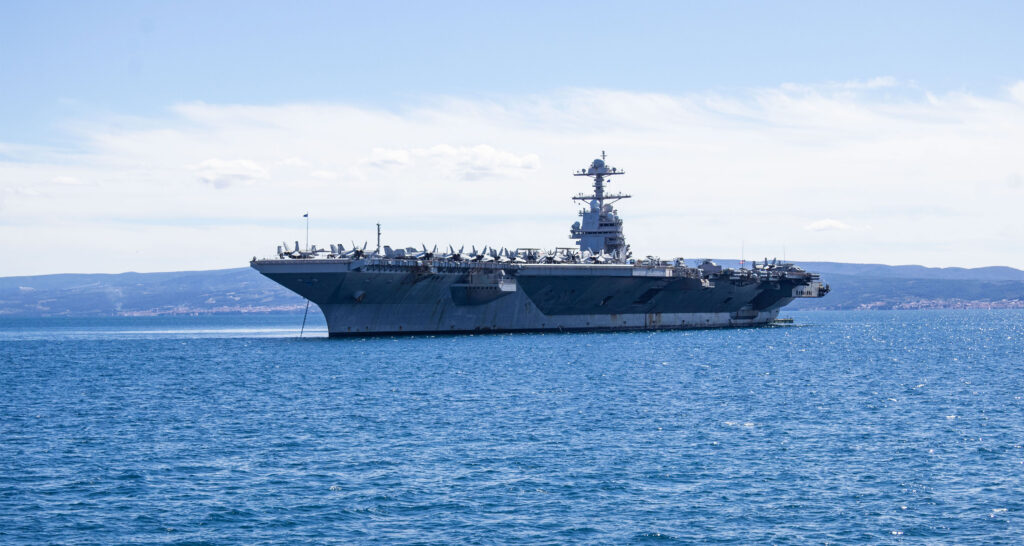
Naval vessel at sea supporting Military Husbanding Services and Defence Logistics Support

Military Husbanding services refer to the coordinated overall logistic support provided to naval and military vessels before, during, and after a port call. For businesses, procurement teams, and institutional stakeholders, they are not simply administrative port arrangements. They are part of a wider operational support function that helps maintain compliance, continuity, and readiness in controlled environments.

In practice, Military Husbanding may involve clearances, liaison with authorities, supply coordination, transport arrangements, and time critical stakeholder management. As outlined in SCA Group’s Military Husbanding services page, this support should be understood as an operational requirement within defence logistics rather than the simple provision of a routine port service.

What Naval Husbanding Services Cover in Practice

Pre arrival planning, documentation and clearances

Military Husbanding services begin well before the vessel enters port. The pre arrival phase is intended to ensure that the call proceeds in line with local regulations, operational requirements and timelines, and clearance procedures, reflecting the broader logistics support role that Husbanding services provide during naval port visits.

In practice, this stage commonly includes:

  • Advance notices to relevant port and control authorities.
  • Berthing requests and schedule coordination.
  • Customs and immigration coordination.
  • Authority clearances for planned activities.
  • Documentation handling and verification.

This phase is operationally significant because delays at the documentation stage can affect the entire port call. In defence related environments, documentation is not a routine formality. It is often directly linked to access, timing, security controls, and service readiness.

Port call coordination and local execution

Port husbanding and agency services move into active execution as the vessel approaches or comes alongside. At this stage, the focus shifts from preparation to coordinated delivery within the port environment.

Core activities may include:

  • Pilotage and towage arrangements.
  • Berth coordination.
  • Liaison with port authorities and local control bodies.
  • Time sensitive local arrangements.
  • Coordination with other services providers involved.
  • Schedule management across multiple service windows.

This stage depends on disciplined communication and reliable local coordination. A well managed port call requires each activity to align with vessel timelines, authority procedures, and operational priorities. Where multiple stakeholders are involved, even limited coordination failures can disrupt timing and port execution.

These coordination priorities are explored further in our article on Naval Port Visit Support for military and naval port calls.

Supply, technical and welfare support during the port call

Ship Husbanding Services also cover the practical support required while the vessel is in port. This support helps sustain operations, maintain continuity, and address vessel requirements within the approved call window.

Depending on the requirement, ship supply services may involve:

  • Fuel and bunkering coordination.
  • Fresh water and provisions.
  • Spare parts delivery.
  • Technical attendance.
  • Crew movement and welfare support.
  • Waste disposal and related port services.

These activities must be delivered in a controlled operational and logical sequence. The function of Husbanding is not simply to source local services. It is to coordinate them reliably, at the required time, and in line with operational, regulatory, and logistical requirements.

How Military Husbanding Differs from Standard Port Agency Support

Military Husbanding is more demanding than routine port agency support. It operates within a tighter framework of security, approvals, coordination, and accountability.

For a more detailed comparison of scope, accountability and contracting implications, see our article on Military Husbanding vs Port Agency Services.

Higher security and access requirements

Military Husbanding services operate under stricter security conditions. Access to vessels, personnel, schedules, and support activity may be restricted and subject to additional control measures.

Greater documentation sensitivity and approval layers

Military vessel support services also involve more sensitive documentation and more approval layers. Clearances, service requests, and personnel movements may require formal authorisation across several bodies before execution can proceed. In this context, documentation supports compliance, timing, and lawful service delivery.

More complex stakeholder coordination and operational accountability

Military Husbanding services require broader coordination than a routine commercial port call. Stakeholders may include vessel representatives, military command structures, port authorities, customs, immigration, security bodies, and specialist suppliers.

As a result, the role extends beyond arranging port services. It involves managing interdependent activities in a controlled manner that supports continuity, compliance, and operational readiness.

The Main Stakeholders Involved in a Military Husbanding Operation

Military Husbanding is a coordinated operational activity involving several parties with different responsibilities. It sits within the wider framework of naval logistics support and depends on alignment between operational, regulatory, commercial, and local delivery stakeholders.

Vessel representatives, naval command teams and mission planners

These stakeholders define the operational requirement and set the conditions under which the port call must be managed. Their role commonly includes:

  • Confirming schedules and operational priorities.
  • Defining access restrictions and service requirements.
  • Communicating mission related considerations.
  • Approving key movements, timings, and support arrangements.

Port authorities, customs, immigration and security bodies

These bodies control lawful access and execution within the port environment. Their involvement may include:

  • Port entry and berthing approvals.
  • Customs and immigration procedures.
  • Security or diplomatic clearance and access control.
  • Oversight of regulated port activity.

Husbanding agents, local suppliers and service providers

The naval husbanding agency coordinates local execution and acts as the operational link between all parties. This may involve:

  • Arranging services in line with the approved plan.
  • Managing local supplier communications.
  • Coordinating transport, fuel, provisions, and technical support.
  • Ensuring delivery remains aligned with timing and compliance requirements.

Prime contractors, procurement teams and government stakeholders

In some operations, Military Husbanding also involves commercial and institutional oversight. These stakeholders may be responsible for:

  • Contractual control and procurement governance.
  • Performance oversight and reporting.
  • Coordination with government or defence stakeholders.
  • Alignment with wider programme or mission requirements.

In summary, Military Husbanding is not a single supplier transaction. It is a multi party coordination function that depends on clear roles, disciplined communication, and reliable execution across a regulated operational environment, often supported by global port agency services.

Core Operational Requirements for Effective Husbanding Support

Effective husbanding support depends on disciplined execution across several operational areas. For businesses and institutional stakeholders, the issue is not simply whether services can be arranged, but whether they can be delivered reliably, compliantly, and within the required operational window.


Operational RequirementWhy It Matters
Security compliance and controlled access management.Ensures authorised movements, deliveries and attendance within restricted environments.
Accuracy in communications, scheduling and documentation.Reduces delays, errors and compliance failures during the port call.
Local supplier reliability and execution capability.Supports timely delivery of services in line with approved operational requirements.
Contingency planning in dynamic port environments.Maintains continuity when schedules, approvals or port conditions change.


Security compliance and controlled access management

Security compliance is a core requirement in military vessel support services. Access to vessels, personnel, equipment, and service areas may be restricted and subject to formal control measures. Support activity must therefore be coordinated within an approved access framework and aligned, where relevant, with recognised operational standards and certifications.

Accuracy in communications, scheduling and documentation

Naval logistics support depends on accurate information flow. Service requests, timings, clearances, and documentation must be communicated clearly and updated promptly when conditions change. Even a minor error can affect the wider port call.

Local supplier reliability and execution capability

Naval supply chain services rely on dependable local execution. Fuel providers, transport operators, technical teams, and other service partners must be able to deliver on time and in line with the authorised requirement. Availability alone is not enough. Operational reliability is the real standard.

Contingency planning in dynamic port environments

Port conditions can change quickly. Delays, congestion, approval issues, or short notice amendments may all affect execution. For that reason, contingency planning is a practical requirement, not an optional safeguard.

In summary, effective Husbanding Support depends on control, accuracy, reliable local delivery, and the ability to adapt without losing operational continuity.

Common Operational Risks and Coordination Challenges

Military Husbanding Services operate in environments where timings, approvals, and local conditions can shift quickly. In practice, effective naval logistics support depends on recognising common coordination risks before they affect execution.


  1. Short notice changes to schedules and requirements
    Operational priorities, vessel movements, or service timings may change with limited notice. This can affect transport, supplier sequencing, access arrangements, and the overall port call plan.
  2. Delays caused by approvals, documentation or port congestion
    Execution may be delayed by incomplete paperwork, slow approvals, or restricted port availability. Even when services are ready and of the highest quality, the wider call can still be affected by procedural or environmental constraints.
  3. Service disruption risks across multiple local vendors
    Where several local suppliers are involved, one delay can affect other activities. Disruption in fuel, transport, technical attendance, or waste handling may place pressure on the full support schedule.
  4. Communication gaps between operational stakeholders
    Coordination problems often arise when stakeholders are not working from the same information. Misalignment between vessel representatives, authorities, suppliers, and coordinators can lead to delay, confusion, or compliance risk.

In summary, these challenges show why Husbanding requires active coordination, not passive administration.

What Businesses and Institutions Should Assess in a Husbanding Partner

Selecting a husbanding partner should be based on operational suitability rather than basic service availability. For organisations involved in military vessel support services, the key issue is whether the provider can deliver reliably within a controlled, regulated, and time sensitive environment.

Proven experience in sensitive and regulated operating environments

A capable husbanding partner should understand the practical demands of restricted access, formal clearances, and controlled delivery conditions. Experience in these environments reduces the risk of administrative error, coordination failure, and avoidable disruption during the port call.

Strength of local networks, suppliers and port relationships

The effectiveness of a naval husbanding agency depends heavily on local execution. Established relationships with suppliers, port authorities, and service providers can improve responsiveness, support continuity, and help ensure that required services are delivered within the approved operational window.

Documentation discipline and stakeholder management capability

Military vessel support services require accurate documentation, clear communication, and disciplined coordination across multiple parties. A suitable partner should be able to manage approvals, maintain information accuracy, and keep stakeholders aligned throughout the port call.

Responsiveness under time critical operational conditions

Port activity can change quickly. Delays, revised schedules, or short notice operational requirements may require immediate adjustment. In this context, global port agency services must be supported by the ability to respond quickly without losing control of compliance or execution quality. Contingency plans should be maintained for every kind of situation.

In summary, businesses and institutions should assess a husbanding partner on experience, local capability, administrative discipline, and responsiveness under operational pressure.

Why Military Husbanding Services Matter in the Wider Defence Logistics Chain

Military Husbanding services matter because they support operational continuity at a critical phase of the logistics chain. When a naval vessel enters port, execution depends on local coordination, controlled delivery, and the ability to keep multiple activities aligned without disruption. This is why Military Husbanding should be understood as part of wider naval logistics support, which NATO identifies as essential to sustaining operations and enabling forces to act effectively. This is even more sensitive as no military force worldwide is capable to autonomously sustain their vessels in all ports through their own logistics footprint. The externalisation of port support is therefore unavoidable and essential for the mission.

From a wider defence logistics perspective, effective Husbanding Support helps deliver:

  • Continuity of operations by ensuring essential port activity can proceed in line with the vessel’s operational schedule.
  • Mission readiness by reducing the risk of delays that may affect onward tasking or support requirements.
  • Reliability of port activity through structured coordination of services, clearances, and local execution.
  • Reduced friction between stakeholders by aligning vessel representatives, authorities, suppliers, and coordinators within one controlled framework.
  • Stronger execution in complex environments where timing, compliance, and operational control must be maintained simultaneously.

In practice, Military Husbanding services are not an isolated port function. They form part of wider naval logistics support and contribute to the dependable delivery of global logistics solutions for navies operating across varied and regulated environments, particularly where coordinated execution depends on an established global network across multiple ports and jurisdictions.

FAQ

Who are the key stakeholders in Military Husbanding Services?

Key stakeholders typically include vessel representatives, naval command teams, port authorities, customs and immigration bodies, security organisations, husbanding providers, other contracted providers, and local suppliers. Effective Husbanding depends on coordinating these parties within one controlled operational framework.

What is included in Ship supply services during a naval port call?

Ship supply services may include fuel, provisions, transport, repair works, customs support, material handling, crew support, and other locally delivered requirements needed to sustain the vessel during the call. In practice, the exact scope depends on the port, mission profile, and approved support requirement.

Why is naval logistics support important to operational readiness?

Naval logistics support matters because readiness depends on the availability of logistics resources, assured access, tight coordination, timeliness, and sustained support through the operation. At port-call level, that means the vessel receives what it needs without avoidable disruption to onward activity.

What operational requirements are most important in Military Husbanding Support?

The core requirements are security compliance, controlled access, accurate documentation, disciplined scheduling, reliable local execution, and contingency planning. These factors determine whether support can be delivered lawfully, safely, and on time in a regulated environment.

What coordination risks can affect a naval port call?

Common risks include short-notice changes, approval delays, incomplete documentation, port congestion, supplier underperformance, and communication gaps between stakeholders. Because port support is interdependent, one failure can affect the wider execution sequence.

Conclusion

Military Husbanding services are best understood as an operational coordination function within the wider framework of naval support. Their effectiveness depends on stakeholder alignment, disciplined execution, accurate documentation, and dependable local capability.

For businesses, procurement teams, and institutional stakeholders, Military Husbanding Services should therefore be viewed not as an isolated port activity, but as a practical component of operational readiness. In complex defence environments, the quality of Husbanding Support can directly influence continuity, compliance, and the reliability of port execution.